
Property
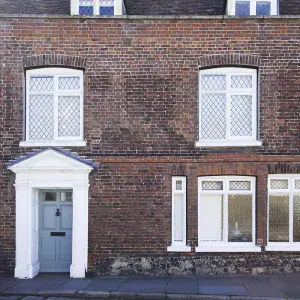
White Friars, Sandwich, Kent
Property
Some houses simply shelter a family. Others tell a story the moment you cross the threshold.
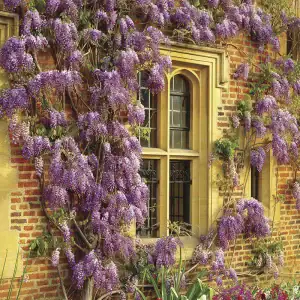
The first glass objects were from natural glass (obsidian) created by sudden volcanic eruptions followed by rapid cooling. Many of the discoveries were accidental but it took great men to turn it from accident to reality.

Buying a listed property is a wonderful opportunity to take ownership of a piece of the country’s heritage, but it also brings responsibilities that modern homes simply don’t require.

Bay and Bow Windows
Property
Understanding how bay and bow windows differ can help homeowners choose the right design for a renovation or new installation.

Period Homes Need Extra Cover
Property
Owners of as many as 80 per cent of period homes risk losing a lot of money if their properties are damaged or destroyed. Heritage expert Peter T J Rumley explains.

Celebrating the 60s House and Home
Property
Previously in our period house style guide we looked at the 1940s and 50s, and the emergence of mid-century modern. It was the modernist movement’s response to the less decadent post war period, which resulted in buildings that were not just utilitarian, but practical and stylish.

Heritage and conservation expert Anske Bax explains how to determine if a structure is within a listed building’s curtilage and what works you can carry out on it.

Period House Style Guide
Property
Our last period house style guide focused on the 1930s semi-detached house, which, as so many of this type of house were built and with many still around today, made this style a great candidate to cover in our guide. But what happened next?

Get Your Property Winter-Ready
Property
Don’t let winter wreak havoc with your home! Now’s the time to prepare for the colder months with these Conservation News tips.

Insulating Your Period Home
Property
The latest Government research suggests that energy-efficient homes sell for around 14% more than uninsulated properties, not to mention being far more cost-effective to heat.